🗞️ Beyond the Quote: My Full Q&A on Roger Hallam and Rev21
Interviews rarely capture the whole conversation – so here is mine, in full for Republik, on XR, Roger Hallam and Rev21.
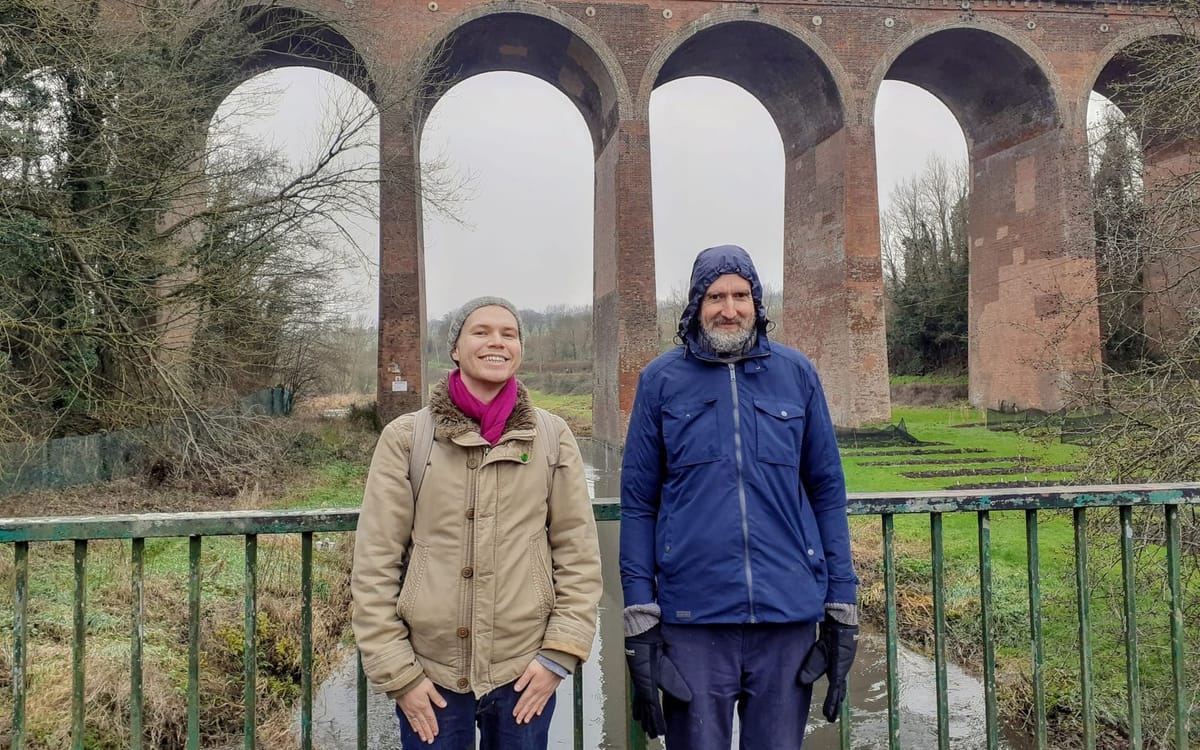
I was recently interviewed by Sabrina Weiss for the Swiss magazine Republik about my work alongside Roger Hallam – first through Extinction Rebellion, and more recently through Revolution in the 21st Century.
The interview covered familiar territory: the explosive growth of XR in 2018–19, the role of civil disobedience, Roger’s personality and controversies, and why we are now focused on assemblies, sortition, and long-term democratic renewal.
As is often the case, the final published piece (available in German or English) necessarily took just a few key lines from a long exchange. In my case, the interview was conducted by email rather than live – I am deeply unwell at the moment – which meant I’d put an added layer of care into my written responses. A friend, Lucas, suggested afterwards that it might be worth sharing those answers in full.
So that’s what this post is. Not a rebuttal, nor an attempt to control the narrative, but a public decree of my feelings on the topic. I'm pleased with the interview and hope it travels far, particularly in German-speaking quarters, to restore Roger's image after previous character attacks and blunders. Enjoy!
1. Looking back at 2018/19, when XR grew so rapidly: what made the group so successful in mobilising thousands of people and persuading them to take part in civil disobedience?
Extinction Rebellion emerged at a very particular moment. The 2018 IPCC report had just landed, Greta Thunberg was calling adults out for “shitting on our future”, and David Attenborough’s documentaries were opening millions of eyes to unfolding climate chaos. By spring 2019, climate emergencies were being declared across the world, including in the UK Parliament, as rebels acted on that truth and shifted the conversation from personal eco-actions like switching the lights off to societal change and national Net Zero targets.
XR offered a theory of change that felt new within the neoliberal era, even if rooted in historic nonviolence. We said openly that mass marches were not enough, and that people would need to take risks, make sacrifices, and put their liberty on the line if they genuinely wanted change. That invitation to move from being a liberal talking about the crisis to a radical acting on it was profoundly energising for many thousands of people. The depth of research on civil resistance by Erica Chenoweth, Roger, and others on movements from the Arab Spring to Gay Rights gave XR credibility, and its public display of inventive and artistic disobedience gave it cultural appeal. It reached deep into society, sparking and riding a whirlwind of change.
2. What has your experience been like working with Roger Hallam over the years?
Roger has been both a mentor and friend to me since I was a teenager. I am a disciple of his sociological and empirical approach to mass organising. Together, as co-coordinators of XR’s outreach team, we worked carefully to design replicable systems, drawing on models such as the 2016 Sanders presidential campaign to meet people where they are, guide them through escalating engagement, and ground organising in social science rather than guesswork.
He has a boundless work ethic and is one of Gramsci's organic intellectuals – someone willing to step down from the ivory tower and put ideas into practice. He walks his talk, repeatedly putting his body and his liberty on the line to demonstrate the power of civil disobedience and truth-telling.
Working with him has been energising, inspiring, and at times exhausting. His fiery approach moves fast, launches multiple projects, and probes different weak points in the system to see where change can ignite. That intensity has lit up movements, but it has also sometimes burned those of us who work in a slower, more grounded way. Even so, throughout all the challenges and controversies, I have trusted his intentions and admired his dedication.
3. How would you describe his approach to activism today?
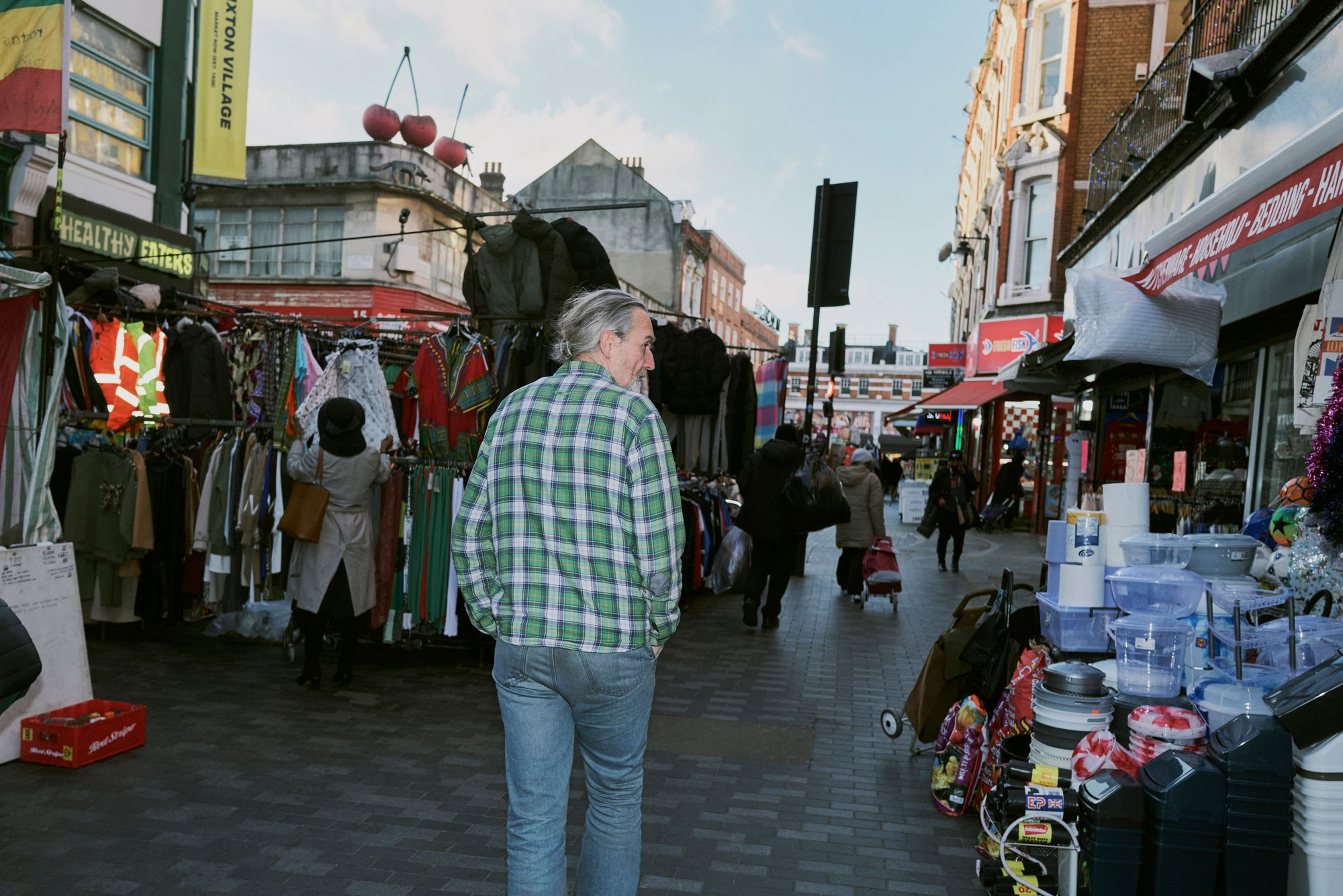
Roger remains deeply committed, but circumstances have changed. He is currently under tight police monitoring and quasi-house arrest, and so has stepped back from frontline civil disobedience due to repeated prison sentences and escalating repression. His focus now is on teaching, writing, and helping others to organise effectively. At the moment, that mainly takes him to the streets of Brixton to build assemblies on homelessness and addiction.
He continues to draw inspiration from movements like ACT UP and from Larry Kramer’s raw honesty and emotional clarity. Although Roger is not naturally a highly emotional person, as a sociologist he recognises the power that comes from speaking plainly, expressing anger, and disrupting social norms when the stakes are existential. He will always seek to empower such people into the spotlight, and if no one is willing or able, will do so himself.
 John Lubbock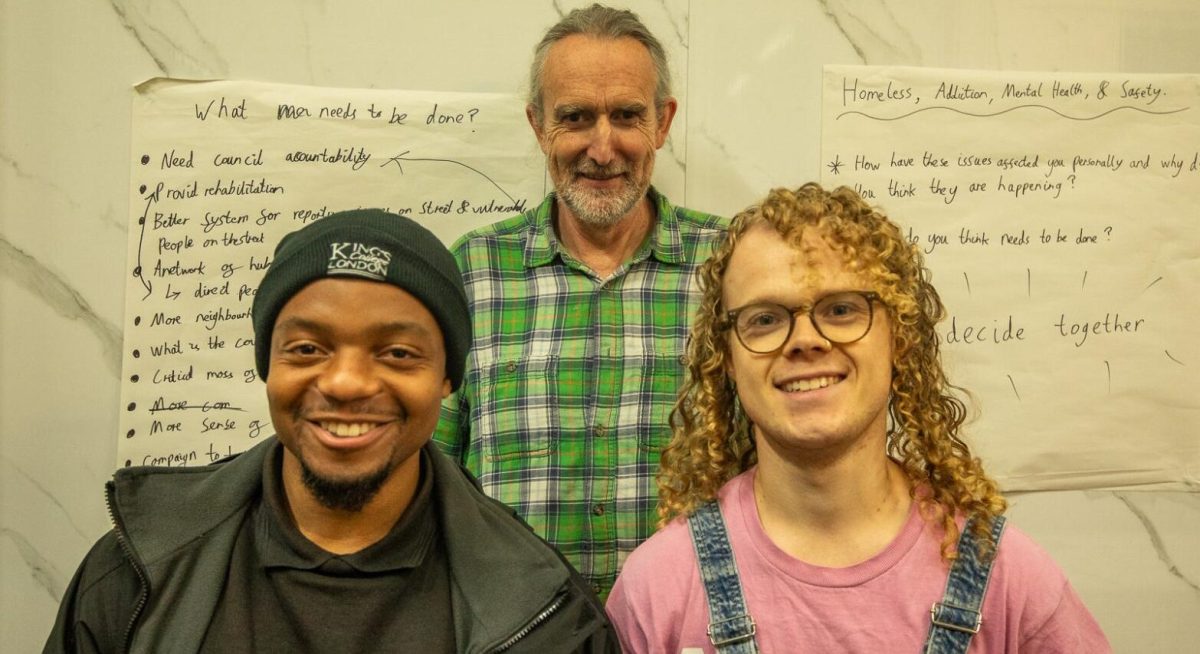
4. In your view, how does his personality shape the new movement day-to-day?
Roger’s willingness to speak uncomfortable truths, his relentless drive, and his insistence on sacrifice have influenced XR, Just Stop Oil, Youth Demand, Take Back Power, and now Rev21.
That same intensity can also cause friction. He moves quickly, breaks through consensus, and challenges assumptions. For some, that is inspiring; for others, it is difficult. But his presence consistently pushes movements towards seriousness, courage, and a refusal to pretend that business-as-usual politics or conventional activism can solve the climate crisis.
5. Regarding Rev21: Roger mentioned the sortition-based model you’re pursuing. Your website also notes that Rev21 connects people with the A22 network. Does civil disobedience remain part of the strategy if the demands of sortition-based assemblies are not met?
Rev21 emerged from a period where both of us became more limited in our personal circumstances. I’ve been disabled by long COVID for five years, and Roger is tightly restricted by the state. We wanted to build a model of social change that is accessible, decentralised, and rooted in everyday life. Assemblies, participatory democracy, and sortition offer that.
Civil disobedience remains essential. We still support it intellectually, publicly, and through networks like A22 and Just Stop Oil, even if we are not currently at the front line ourselves. What Rev21 aims to do is pass on the lessons of a decade of resistance – the sociological insights, the emotional wisdom, and the democratic innovations – so that others can take them forward.
6. Some of Roger’s past rhetoric has been described as stark or provocative. Do you think there’s a risk it could distance potential supporters?
There is always that risk. Some liberal supporters may be turned off by stark rhetoric that breaks the comfortable boundaries of public debate. But the more interesting question for me is: who is moved by the truth?
Roger’s blunt honesty resonates with a particular minority – the people who are willing to act on the truth when they finally hear it spoken without euphemism. In social movements, that committed minority is what drives change. The corporate media often pulls provocative lines apart and frames them as crude or offensive. But behind that noise is a strategy: emotional clarity, moral insistence, and a refusal to sanitise the crisis. I think that approach has brought in far more deeply committed activists than it has pushed away.
7. What motivates you personally to continue working with him despite the controversies?
He inspires me. He is one of the most thoughtful, well-read, and intellectually wide-ranging people I’ve ever known. He interrogates ideas deeply. He learns from his mistakes and will adapt his approach based on past failures if presented with the facts and statistics. And he dedicates every ounce of his life to this work.
I also see a more spiritual side of him since his time in prison. He reflects more openly on past controversies, on forgiveness, and on personal growth. Working closely with him gives me a window into those changes that the public rarely sees.
No one is perfect. But his discipline, breadth of knowledge, and relentlessness get me out of bed every morning wanting to write, organise, and push forward.
8. When you think ahead ten or twenty years, what would you hope people remember about this chapter of climate activism?
I hope people remember that we tried to act on the truth as clearly as we could see it, and that we were willing to face personal consequences to do so. We gave what small resources we had to confront the power of the fossil fuel industry. We insisted on nonviolence even as society drifted towards authoritarianism. We believed in humanity enough to organise, even when the future looked bleak.
If people remember anything, I hope it is that ordinary people were willing to risk their freedom not out of despair, but out of love for life, our natural world, and humanity.
9. Anything else you’d like to add?
Working with Roger has transformed my life. He was the reason I dropped out of university and helped co-found Extinction Rebellion. We’ve been through a lot – from high-stakes civil disobedience, hunger strikes and media storms, to hundreds of hours of discussion in prison and quiet dinners to celebrate our friendship. Through all the chaos of the climate emergency and the turbulence inside movements, he has been a steady presence. I continue to support and respect him, and to believe that together – alongside thousands of others – we can still shape a livable future.
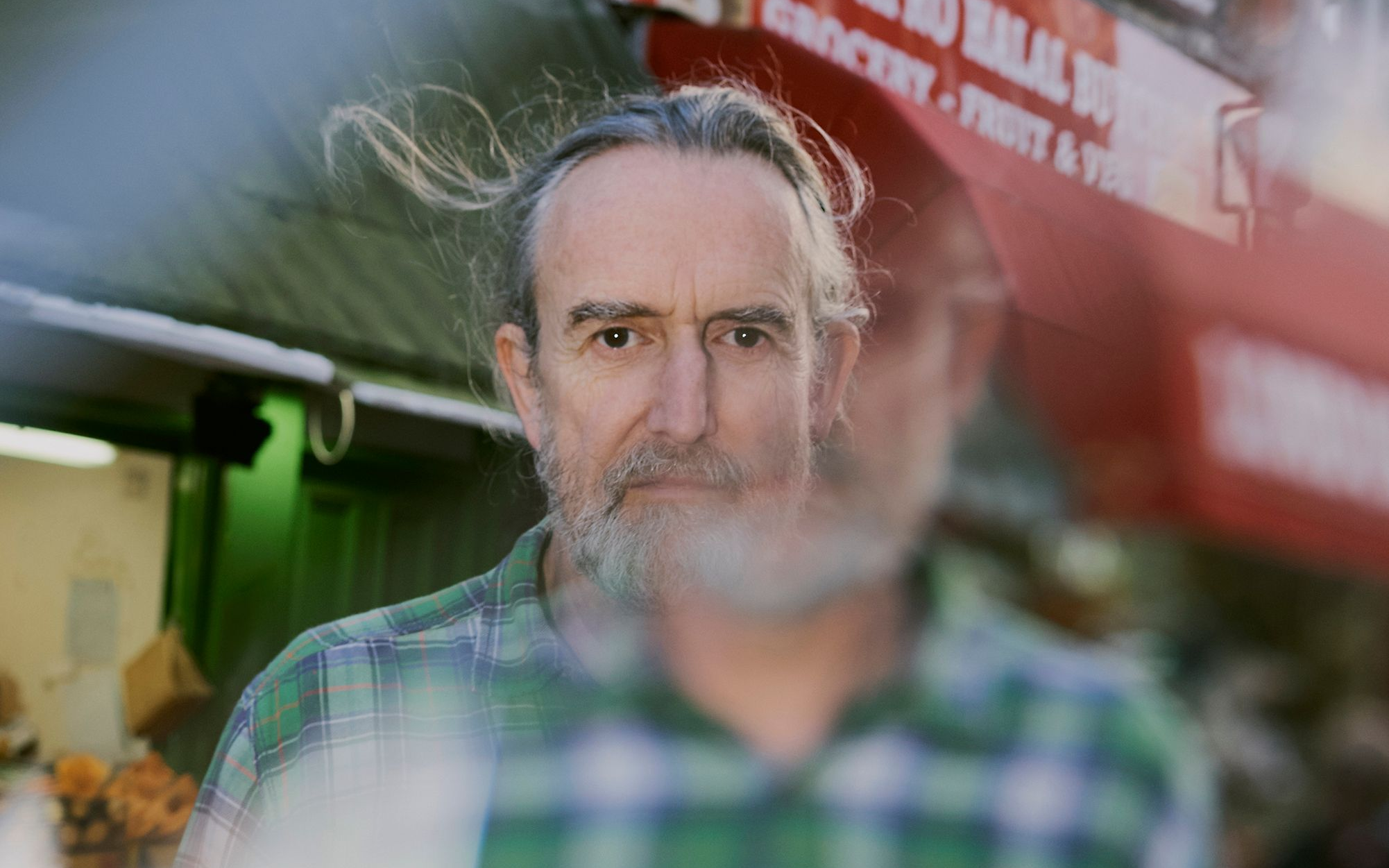
 Roger Hallam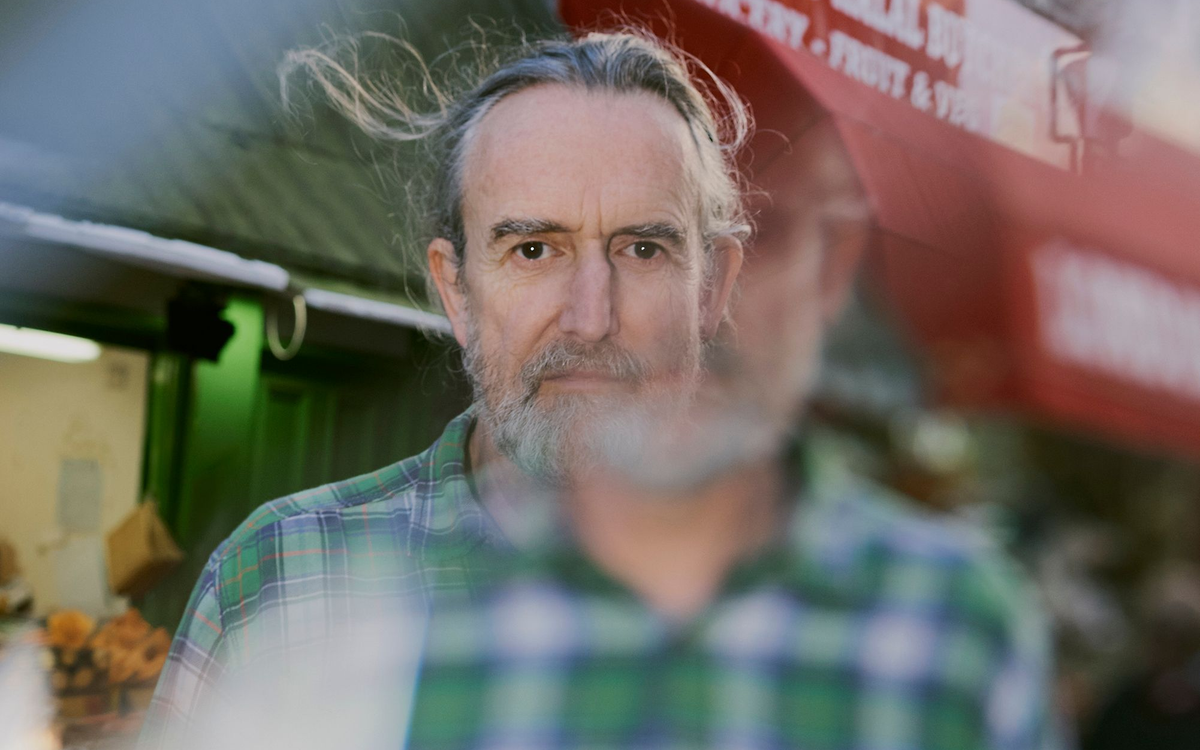
Full article available here.
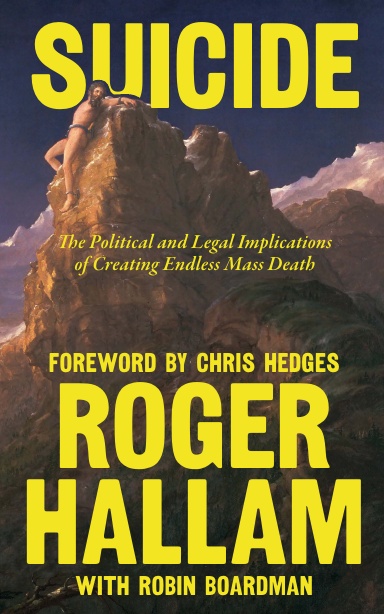
Thanks for reading! While you are here, I wanted to let you know my new book with Roger is out in 1 week! How exciting and nerve-racking. I've just sent out 100 copies for the launch date. If you'd like to show your support, please order a copy and write a review I can share with all my friends 😄