Young People, Old Peat
These ancient, carbon-rich landscapes are a mirror for grief, endurance, and slow recovery.
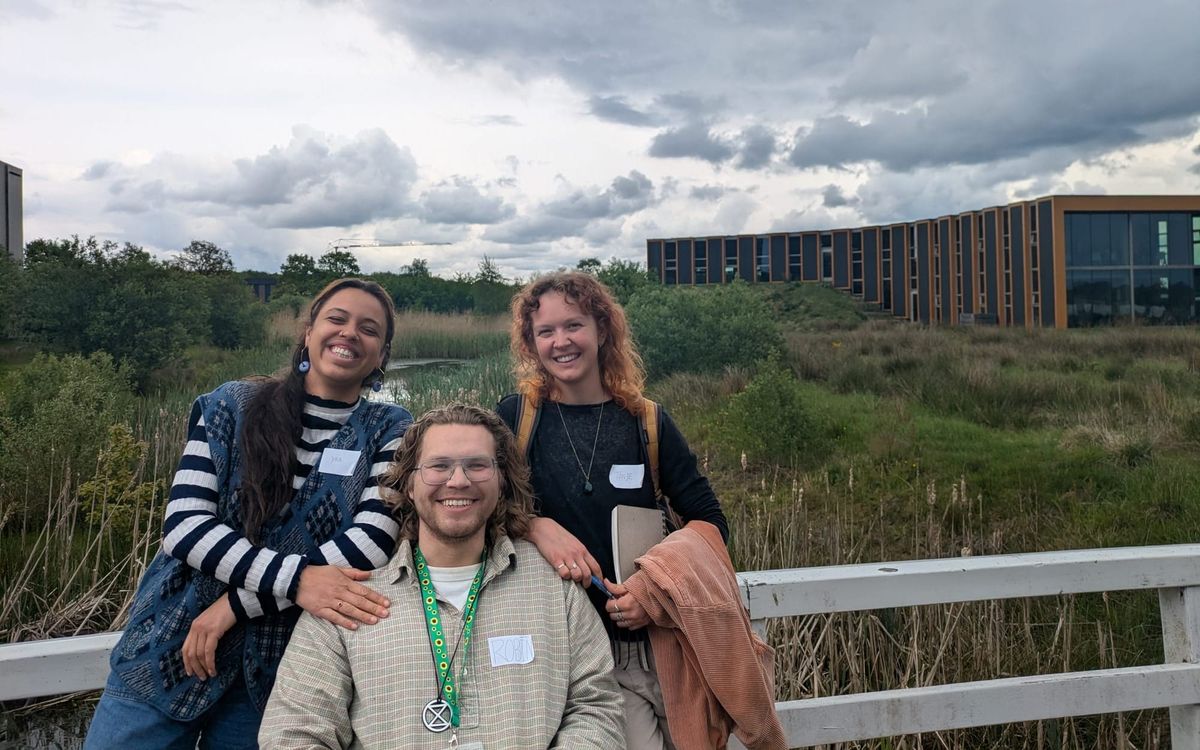
This week I took a coach to Friesland with students, academics and activists to discuss our precious peatlands. That might sound like a routine affair for an eco-loon like myself, but since I have been disabled for much of the past year with a neurological disorder, it was enormous. I made a plan, recruited friends to help me, and pulled a wheelchair out of the rubbish to get there.
Friesland is a place of its own particular gravity. Wet, grey, flat in the particular way that feels ancient rather than empty — it has its own language, its own flag, its own stubborn, affectionate pride. The landscape is appropriately serious about rain. We had come to talk about wetlands, and the weather had not missed the memo.
The symposium was held in the Biosintrum, a building made from 80% biobased materials — biomass, timber, earth. With concrete production accounting for roughly 8% of global carbon dioxide emissions, I was happy to see this relatively new building reduce its footprint. This makes it one of the most sustainable and innovative buildings in Europe and a fitting location for this event.
Inside, the room held a refreshing range of people: school children, regional environmental staff, students, researchers, radicals. All of them gathered around the same strange and serious subject. Peat.
A thousand years ago, half of the Netherlands was peatland. Humans, as was our habit, tried to tame it but hit a thick layer of resistance. Peatlands are slow to decompose, slow to yield, slow to forgive. They operate on timescales that make human ambition look faintly comedic. This is one of the things I love about them.
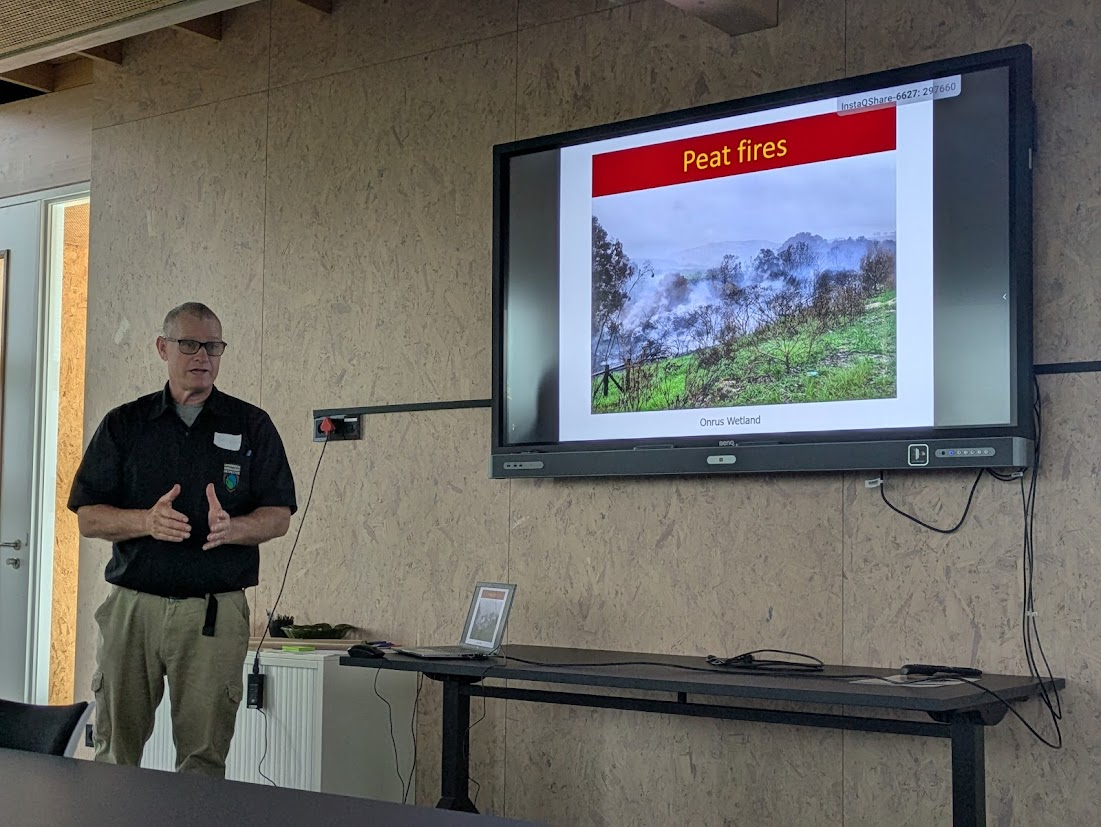
The vocabulary of peat is worth dwelling on. Mire — from the Nordic mur — refers to active peatlands, still living, still accumulating. Bog, marsh, fen, peatland — these words blur and overlap depending on who is speaking and what they need to say. The headline speaker, scientist Hans Joosten, invoked philosopher Karl Popper to say that the meaning of words is less important than the concepts they're trying to reach. Facts matter. Problems matter. What you call a thing is only a handle on the thing itself.
Later, he put it more simply: peatlands are what you feel they are. Their definition within wetlands is slippery, shifting depending on the depth of the peat, the width of the space, and the presence or absence of trees. These landscapes resist fixed definition. They have always been between things: between water and earth, between living and dead, between the past and a precarious present.
Now, peatlands cover just 3% of the earth's land surface, yet they hold 30% of all soil carbon. The Netherlands is one of the least biodiverse countries in the European Union — and much of that loss traces back to wetland drainage and the slow dismantling of exactly these ecosystems. Across the world, we have lost or degraded 70% of wetlands since 1900, at a rate three times faster than forests.
An excellent introduction talk to peatlands by Re-peat founder and friend, Frankie Turk
The morning was not without its difficult truths. A speaker from South Africa described how Cape Town, facing Day Zero — the point at which municipal water would simply stop — drew on mires that had sustained the region for thousands of years. The relief was real. The damage is ongoing.
With this knowledge, I noticed something unseemly about the speakers, as at many of the climate conferences I know. Almost all of them tried to end on a hopeful note. The effort was visible and, I thought, often counterproductive to the devastating message of ecocide they were trying to convey. One of the most quietly radical things said all day came almost as an aside by writer and artist Camille Sapara Barton: that it might be better — more honest, more useful — to hold the grief collectively, without rushing to resolve it. In their new book, Tending Grief, they reflect on the importance of sitting in the difficulty and recognising trauma in our social movements before reaching for the solution. That is how I believe Extinction Rebellion's opening talk, Heading for Extinction, initially struck a chord: it named the failure of the last 30 years of climate work, giving space to grieve it.
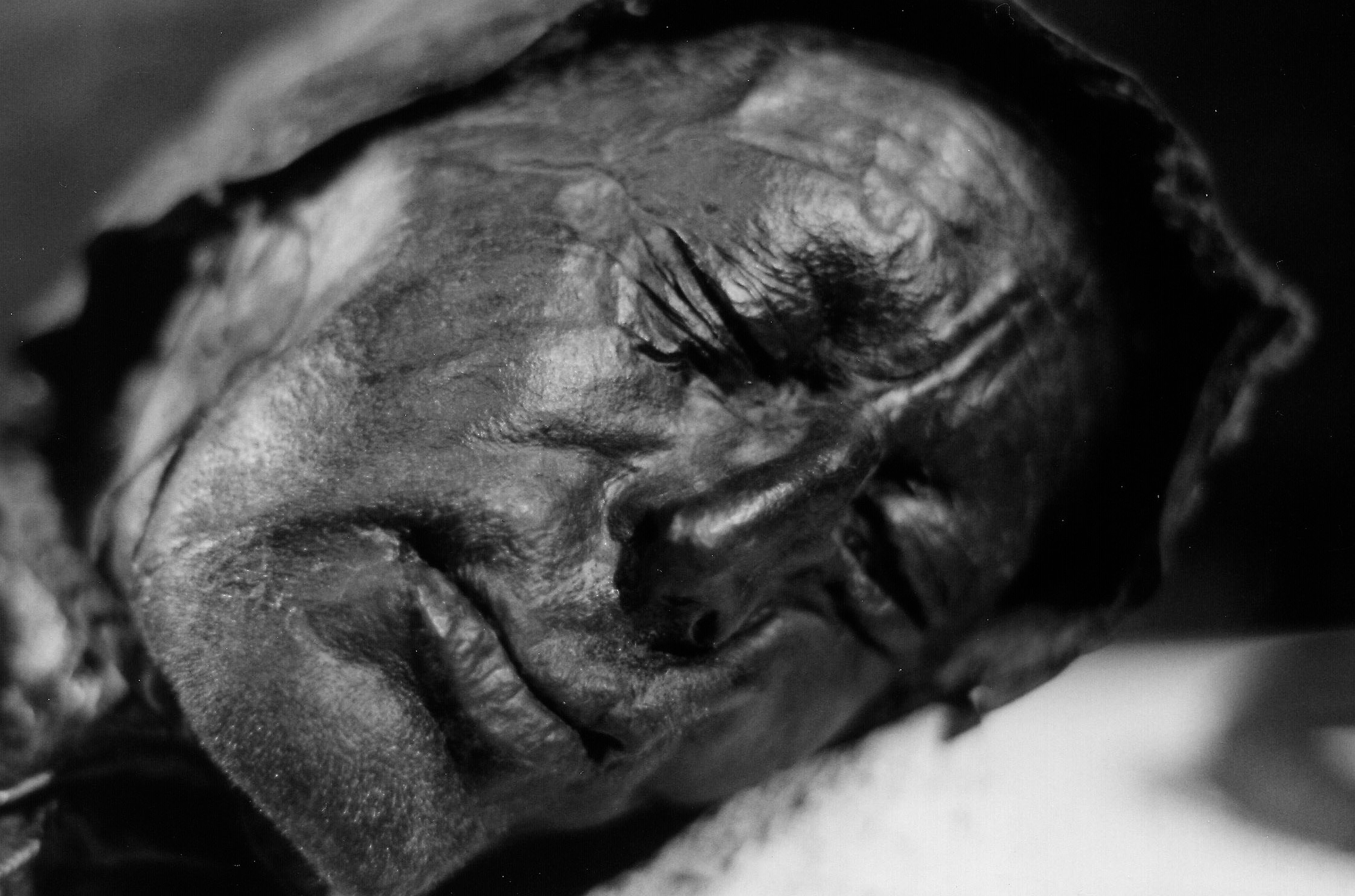
The South African talk gave me one of those moments where you feel something obscure shifting slightly into focus. Researchers have now mapped South African peatlands for the first time, and what they found includes peats up to 45,000 years old. Bodies have been found intact within them, preserved by the chemistry of the bog, in Rwanda, England and elsewhere. These are not just ecological resources. They are cultural archives. Historical records written in compressed, waterlogged time.
This is what ancient peatland shares with ancient fossil fuels: it is old accumulation. Concentrated history. The argument for protecting it is not only environmental but almost archaeological — these are things that took unimaginable patience to become what they are, and we are spending them in a historical eyeblink.
Lunch was made from ingredients harvested in the peatland itself. Cattail — a plant I'd never eaten before and a flavour I had no prior map for. It was the kind of meal that expands what you think food can be, which is to say, what land can offer without being ruined in the offering. There is a whole culinary culture to be rebuilt around these landscapes: not extraction, but cultivation; not ignoring them, but learning to live in symbiosis with them. New processes. New flavorscapes. Old knowledge, relearned.
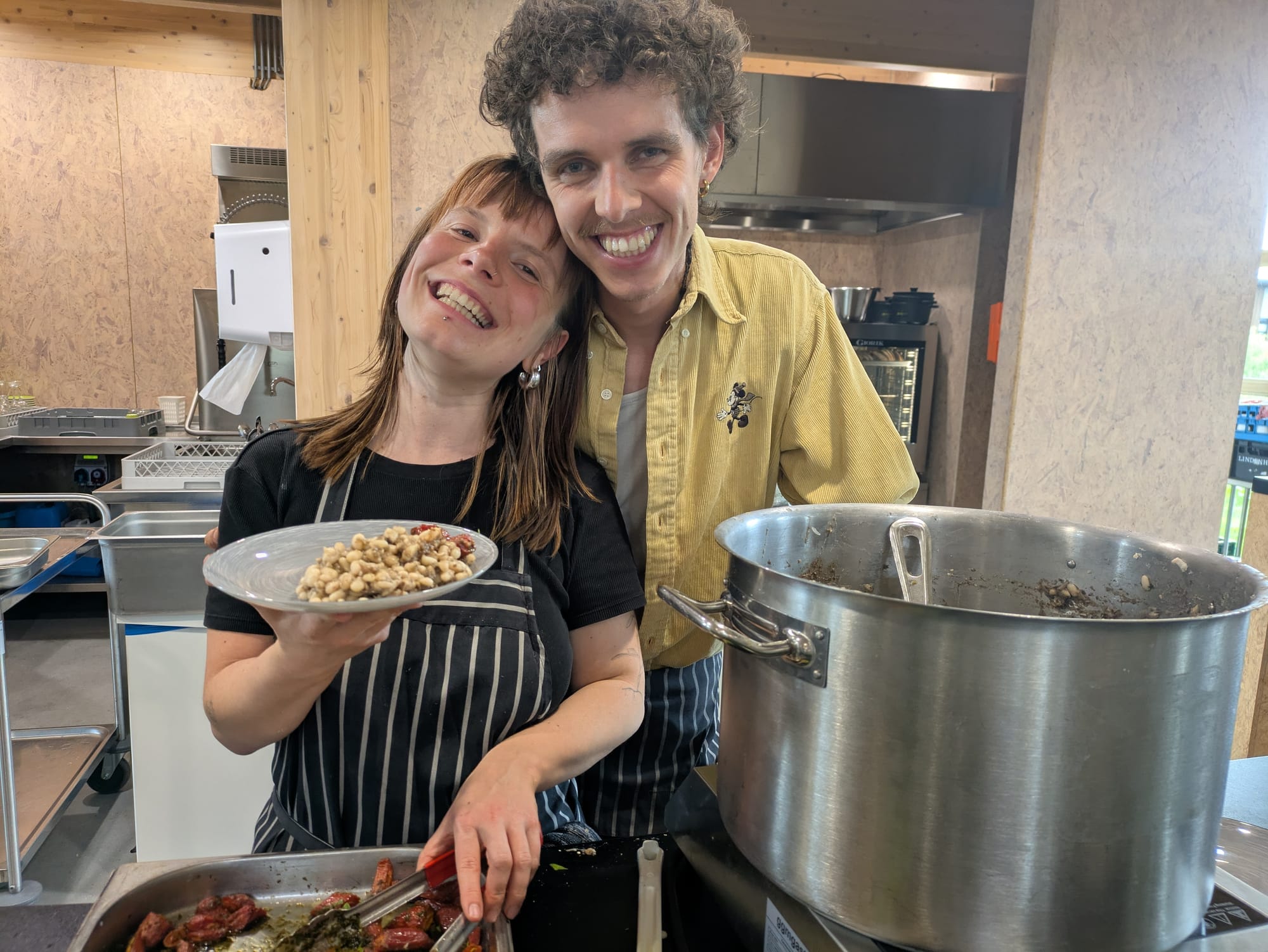
Local food and collective meals then become part of the culture of the ecological civilisation we want to build. Another part is music—we were ensconced in natural sound recordings from the peatland, beautifully remixed with a live cello and a singing performance—the calls of birds, the mutterings of farmers, the sound of wind on open wetlands. I am so excited for a new era of music that incorporates more of our natural surroundings, I like the music of rapper/zoologist Louis VI and producer Cosmo Sheldrake. Culture and ecology, held in the same room, not as decoration for each other but as genuine partners in meaning-making.
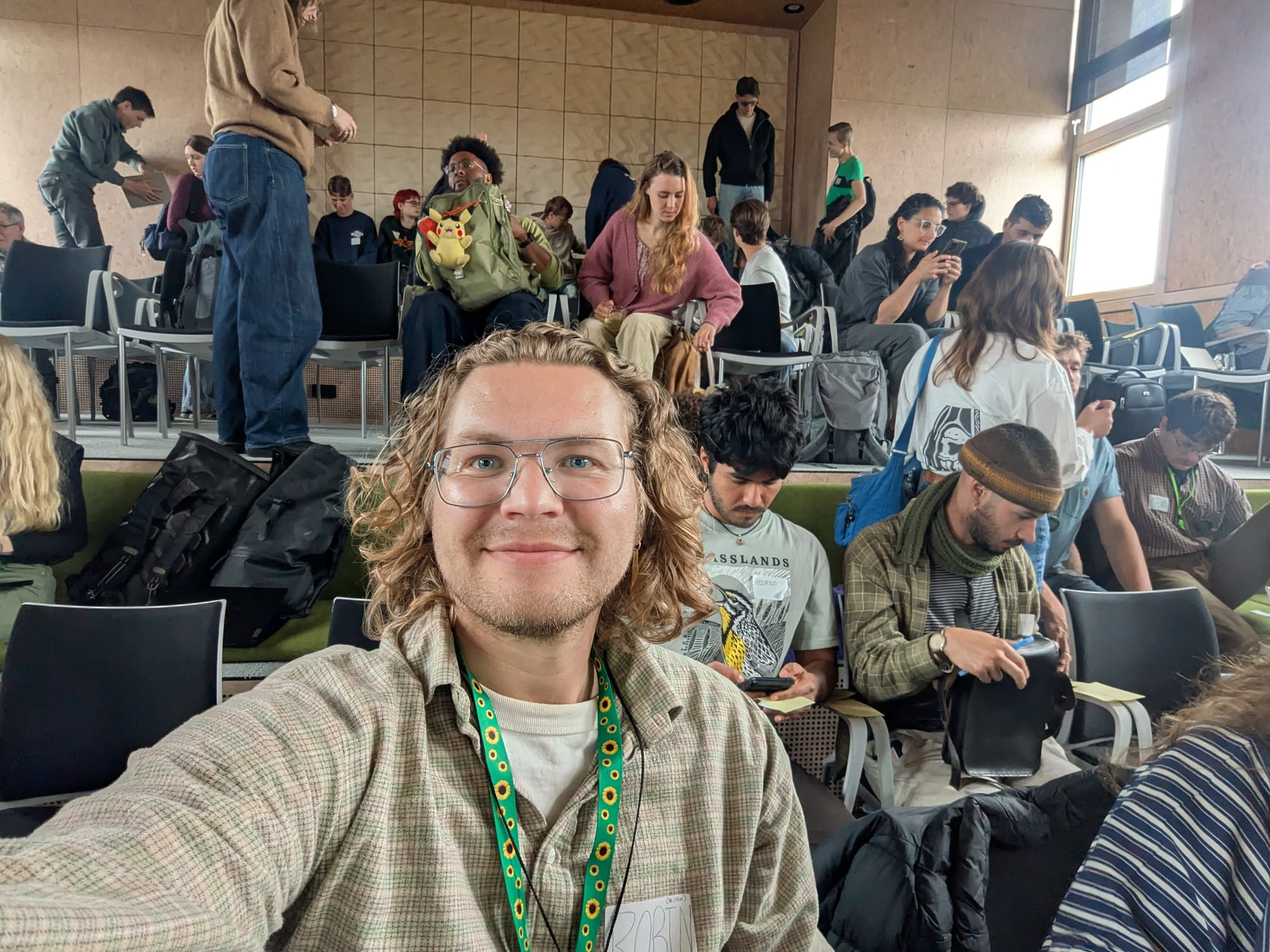
Organising such events for Extinction Rebellion and Revolution in the 21st Century was once part of my life, and then it became part of what broke me. The large-scale logistics, the months of preparation, and the fear of unmet expectations. Burnout has a way of poisoning the things it touches, making even their memory complicated. My critical mind scanned for flaws, despite not being asked to do so. I couldn't settle into a facilitated session without wondering how I would improve it. Even when it's not my event! At least now, with self-compassion, I could remind myself that not every battle is mine to undertake, and then I could sink into the peat as the organisers wanted me to, slow and deep. I had opinions, naturally. I always do. But I could hold them lightly, as observations rather than obligations.
Disability has its metaphors, and I am wary of overusing them. But I'll say this: there is something in the peatland's story of slow decay and decomposition that I find genuinely consoling for my own weaker state. Their decay, not their productivity, is part of their value. Their capacity to hold carbon, to hold history, to hold bodies intact across millennia, is inseparable from what they have survived and accumulated.
I don't think I am broken. I think I am old soil and rotting leaves, doing what autumn does: holding on, holding in, waiting for the conditions that make spring possible.
It is spring now, actually. As I write, the sun is coming through the leaves and my housemates thrill for a hotter spell ahead. I hope I can join them on those adventures, but if I can't, then I will come back to the feeling, sound and taste of the peatlands. Solid, old and hearty to keep me going for the long challenges of ecological collapse ahead.
I helped edit and publish a new book on the climate corruption of the British state and its legal system, titled Suicide. It was written in prison by my co-founder, Roger Hallam, and is now out in multiple languages. Check it out!