🛌 90 Degrees Down: A New Perspective
Even when lying down, the revolution doesn't end; it simply changes form, becoming a quiet act of survival measured in breaths between the pain.
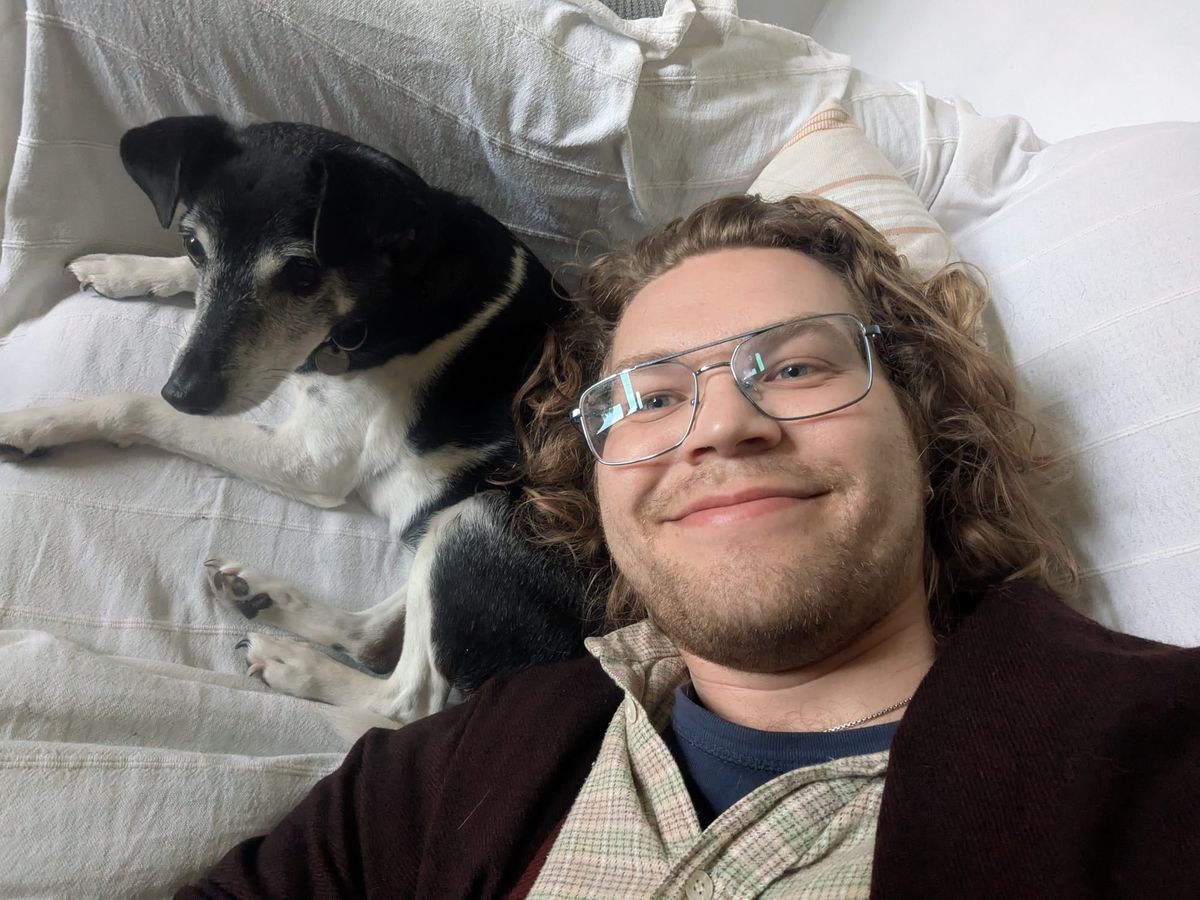
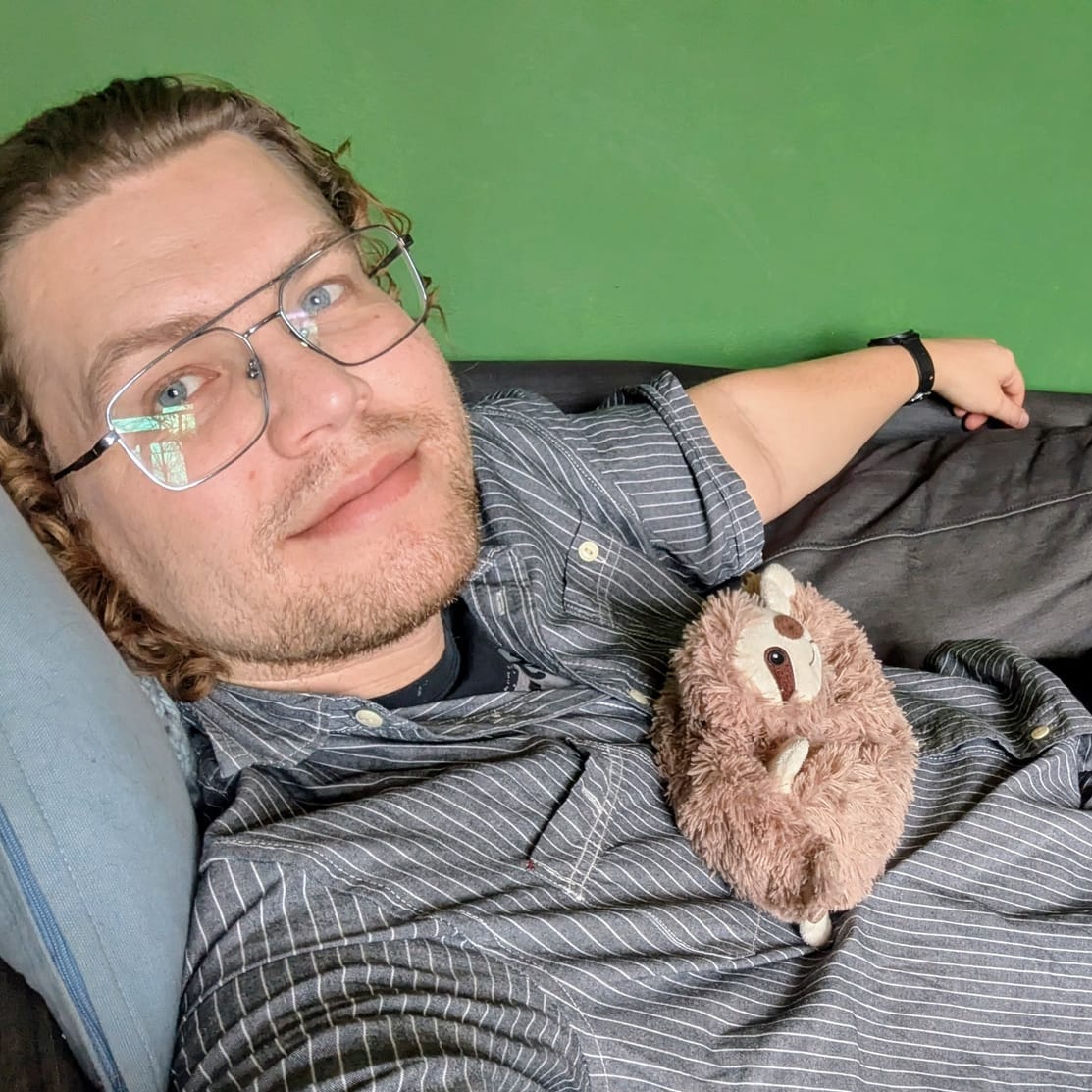
I belong to that strange strain of humanity that spends a lot of time horizontal. By simply rotating down that 90-degree angle, life's possibilities flounder. I become flaky, distant, and unavailable. My dreams as a young founder begin to wither—the revolution, travelling, starting a family. Why? Because I am one of those countless millions of people who live with a disability—specifically chronic migraines and fatigue.
Let me try to paint a picture of that for you: you know that fever you had a few years ago, that banging head after drinking too much alcohol, that acid trip that went a bit bad? Imagine having a bit of all of them, every day. Off work sick, forever—that's my full-time occupation.
Mainly, it has crushed any hopes of a routine beyond the basics of eating, listening and sleeping. Some days are like the first flush of a fever. Others are endless hangovers.
As people know this about me, they are less likely to make plans and come to expect slow or strange replies, rarely with good news. Yet some, especially in my local student commune, hold me deeply with sensitivity and understanding, catering to my needs and quirks. They help me to get outside again and shake the various shackles of dependency.
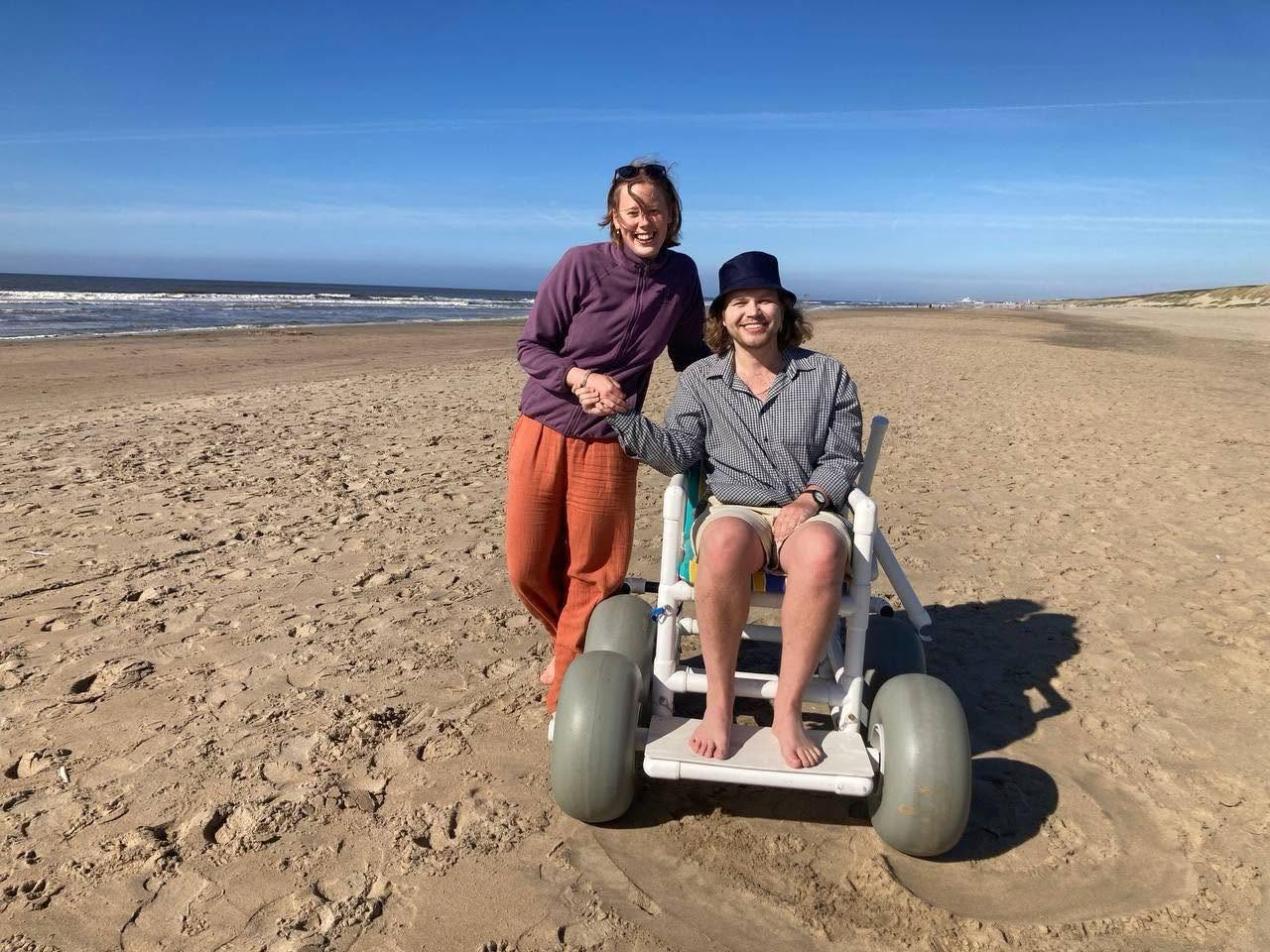
This then is my full-time job: managing crippling pain and organising care. In the brighter moments, I will be able to go out, write something, call a friend. But there is only one person who has regularly called me to see how I am for six years: my partner. Most other connections have sadly withered with my body and mind. My soul perseveres, trapped. Waiting for a cure or miracle to unleash its full splendour.
I know the feeling of being trapped is not unique to my disability. Recently, I watched a charming British film called Breathe (2017) about mid-century polio patients. Many were trapped together in beds or coffin-like iron lungs for life until this crip chap, Robin Cavendish (also a Robin, also 28), came along with the courage to risk his own life in order to live a better one. He suggested the risky step of attaching a clunky ventilator to his wheelchair to regain some mobility. With the help of his rebellious wife and a doctor, he invented a way to transport polio patients, allowing them to live fuller, richer lives.
Despite his innovations, many patients were still locked away, so he became an advocate for their rights. In the film, he gives a passionate, shocking speech directly confronting the medical establishment, asking: "Why do you keep your disabled people in prisons?" He helped fundamentally change their experience of life by pushing for mobility aids.
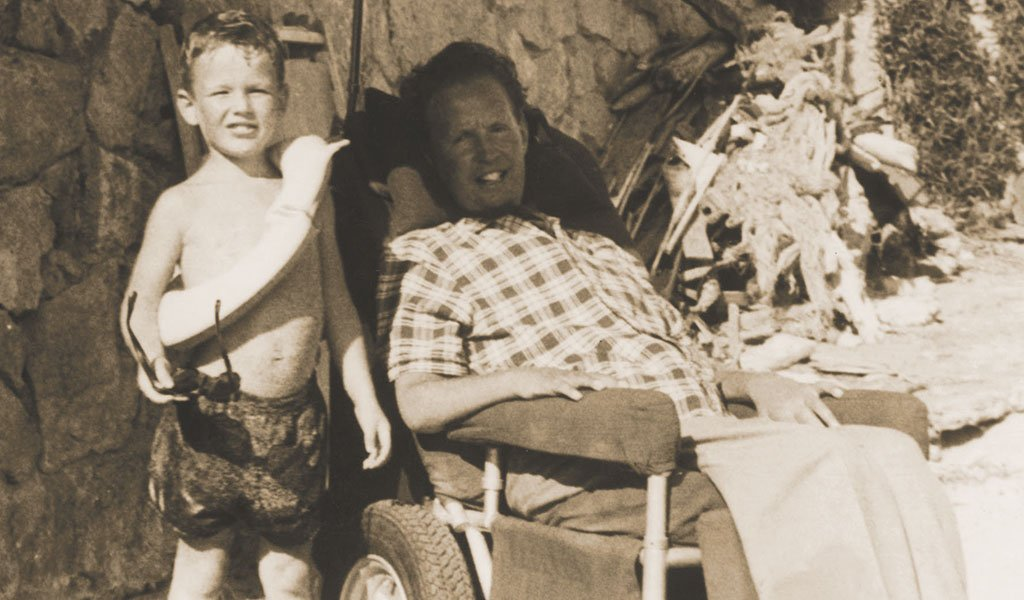
That story brings me endless inspiration in my trapped moments. First, I focus on getting through the initial stabbing pain of a migraine in the temple—slowing down my breath and meditating on the feeling of it coming in and out. As the mindfulness teacher, Vidyamala Burch, says, even if I can only appreciate the feeling of my breath in this moment, that's enough to be alive and present. Eventually, I can begin to take in the first sights of life again, the joy of watching clouds scud or the patter of rain through my window. Or as Virginia Woolf says in her essay On Being Ill, "If we were all laid prone, frozen, stiff, still the sky would be experimenting with its blues and golds." Even if we are paralysed, the beauty of life continues to unfold.
From that budding state of awareness, I turn to people like Robin Cavendish, Ray Charles, Rosa Luxemburg, Helen Keller, Peter Kropotkin, and the heroes in my own circles who kept fighting for a better life and world.
How? By focusing on the present moment and finding where they can still thrive despite limitations. The sweet spot where one can breathe freely.
And so I fight too—not with pugillism, but with each breath appreciated, each cloud admired, each plan I still dare to make. Even horizontal, I am here. And that counts.
I'm excited to now bring you audio versions of my blog and of Roger's with a swish secondhand microphone. If you can donate a tip to help me fund this that would be really appreciated.
I have also created a list of books that have moved me on this topic on Bookshop UK, which helps support local bookshops. Check them out. If you fancy one, buy it here, and I will get a 10% tip. Little helping hands like this help me keep writing. Thanks!